The Fundamentals
ID Rationale:This interactive guide was built using the ADDIE model of instructional design. The goal was not just to create a tool, but to design a complete learning experience. The initial Analysis phase, which informs the entire project, is outlined in various tips below.The Golden Rule: Unity in Songwriting
Every element of your song – lyrics, melody, rhythm, and vibe – should serve a central idea or feeling. Think of it like a thesis statement in an essay: everything else supports it.
Song Structure: A Basic Framework
Many modern songs follow a predictable pattern. Visualizing this structure helps in organizing your ideas.
Lyrical Technique: Showing, Not Telling
Instead of stating an emotion, show it through descriptive language and sensory details.


Instead of telling the listener, "I'm so happy to be free from school," you can show it with action:
Throwing all my books on the ground,
(8)
This number indicates the syllable count for the lyric line.
Not another classroom to be found.
(8)
This number indicates the syllable count for the lyric line.
The Parts of a Song
Verse 1: Setting the Scene
Introduce your story or theme. What's the context? Think back to when you were in third grade on the last day of school.
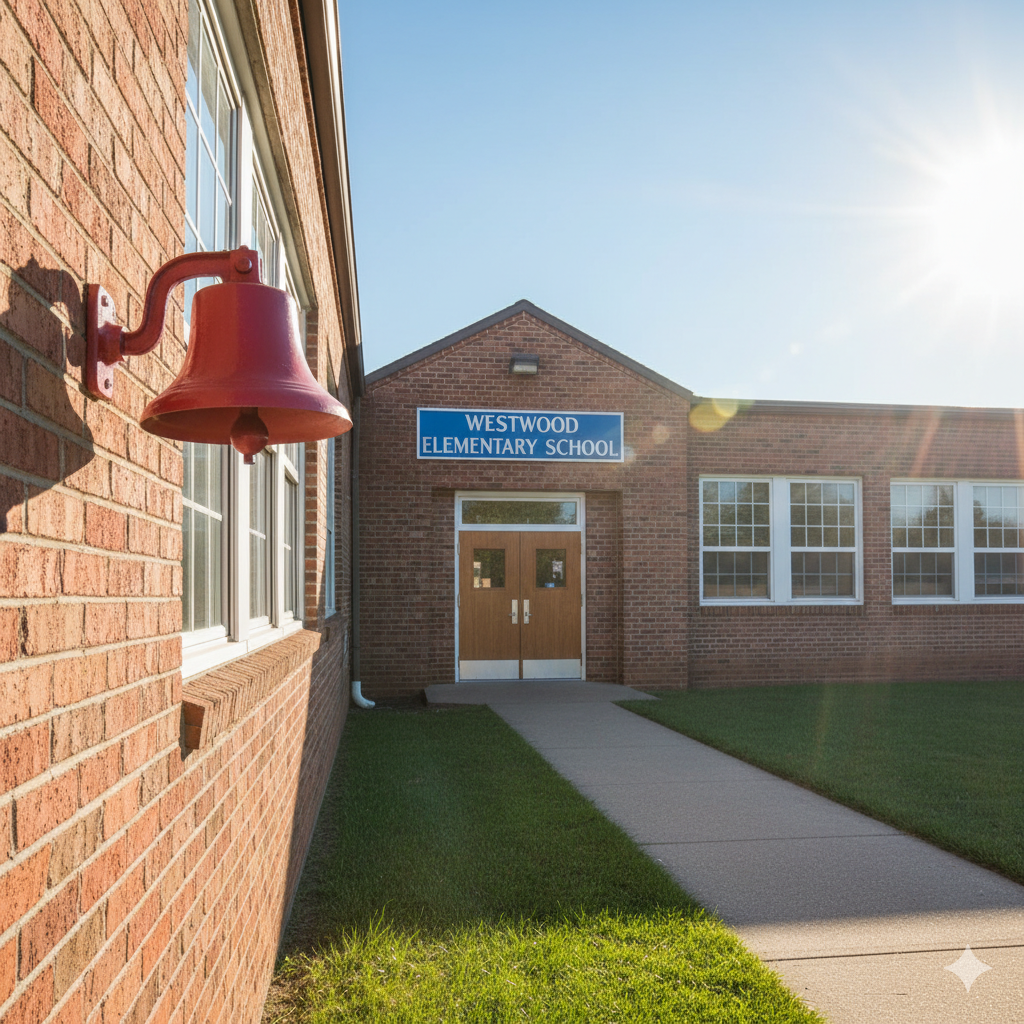

Example (Theme: Summer Freedom):
The final bell is ringing loud, (8)
I'm running out into the crowd. (8)
Throwing all my books on the ground, (8)
Not another classroom to be found. (8)
Chorus: Main Idea
Summarize your theme in a few lines. This is your core message.


Example:
I wish this summer would never end, (9)
'Cause the sun is high and school is out, (8)
This is what I dream about. (7)
Verse 2: Developing the Story
Add new details or move the story forward. What happens next?


Example:
Now we're heading to the lake, (7)
The biggest cannonballs we'll make. (8)
No more homework, for goodness sake, (8)
Just ice cream and a chocolate shake. (8)
Bridge: A Fresh Perspective
Add a twist or shift in mood. This is the turning point.


Example:
The sun goes down in pink and gold, (8)
A perfect story to be told. (8)
We're gathered 'round a campfire's light, (8)
And everything just feels so right. (8)
Intro & Outro (Optional Bookends)
An Intro sets the song's mood and can be a sound effect, a musical riff, or a short lyric. An Outro provides closure and can be a fade-out, a final sound, or a repeated key phrase.


Intro Example: "Just one more minute..."
Outro Example: "Never, ever end..."
Musical Choices: The Principle of Prosody
ID Rationale: This section uses active learning. Instead of just reading, learners make choices (tempo, key). This interaction reinforces the concepts and connects them to the learner's own creative process, increasing engagement.Prosody is the art of making sure every musical choice supports the lyrical emotion. If your lyrics are sad, the music should sound sad. If your lyrics are happy, the music should sound happy.
Tempo: The Speed of the Story
The pace or speed of the music, often measured in Beats Per Minute (BPM).
- Fast (Allegro, ~120+ BPM): High energy, excitement, joy.
- Slow (Adagio, ~60-80 BPM): Sadness, intimacy, reflection.
Key: The Song's Emotional Color
A song's "key" is its musical center of gravity, which can be thought of as either Major or Minor.
| Key Type | Sound/Feeling |
|---|---|
| Major | Bright, Happy, Open |
| Minor | Darker, Sad, Dramatic |


Instrumentation: The Cast of Characters
The specific instruments chosen for the song. An acoustic guitar can feel intimate, while a synthesizer can feel modern and atmospheric.
Step 1: The Story Interview (Your Turn to Plan)
ID Rationale: The Problem: "Blank Page" Paralysis. Many aspiring songwriters feel overwhelmed by the lack of structure when starting. They have ideas but don't know the basic building blocks to organize them. This guide aims to solve that problem by providing a clear, step-by-step framework. This exercise, Step 1, is an example of scaffolding. It breaks down the complex task of "writing a song" into simple, non-musical questions. This builds the learner's confidence and provides the raw material for the next, more structured step.For this exercise, we'll use a specific prompt: Write a song about a place you've never been but would love to visit. Answer the following questions to build your story. Don't worry about lyrics yet!
1. The Main Idea
What is the core feeling or message of your song? This will become your Chorus.
2. The Opening Scene
Where are you now while you're dreaming of this place? This will be your Verse 1.
3. The Story's Development
Describe the place you're dreaming of. What would you do there? This will become your Verse 2.
4. The Turning Point
What changes from just dreaming to planning or longing? This will become your Bridge.
Step 2: Now, Let's Write Your Lyrics
ID Rationale: This step applies the concepts from Step 1, using a structured 'puzzle' to reduce anxiety and encourage creativity.A Note on Syllables (And How to "Cheat")
Syllables give your lyrics a consistent rhythm. The counts below are a target, but you can easily adjust a line.
- To reduce syllables: Use contractions (e.g., change "it is" to "it's").
- To add syllables: Add small words like "oh," "well," or "just."
1. Draft Your Chorus:
Reminder: This is your main idea, the part everyone will sing along to. It should be memorable and will likely have the most energy in your song.
Exercise: Turn your Main Idea into the six-line lyric puzzle below.
Use the labels on the right as your guide for each line:
The Number (e.g., 8) is your target syllable count.
The Letter (e.g., A) is the rhyme group. Lines with the same letter must rhyme. Lines with different letters do not need to rhyme.
For example, the two lines labeled (8A) should each have about 8 syllables and should rhyme with each other.
2. Draft Verse 1:
Reminder: This verse sets the scene for your story. The energy here should establish the initial mood of your song—is it thoughtful, energetic, somber?
Exercise: Turn your Opening Scene into the four-line lyric puzzle below.
3. Draft Verse 2:
Reminder: This is where you develop the story and add new details. The energy can build from Verse 1, or it can maintain a similar level as you provide more information.
Exercise: Turn your Story's Development into the four-line lyric puzzle below.
4. Draft Your Bridge:
Reminder: The bridge is your turning point—a "fresh perspective". The energy often shifts here. It might get quieter and more reflective, or it could build tension leading into the final, powerful chorus.
Exercise: Turn your Turning Point into two to four lines that introduce the new feeling or thought.
5. Draft Your Intro & Outro:
Bookend your song. These parts are very flexible and don't need to rhyme. Their main goal is to set the mood or provide closure, so a simple spoken phrase works perfectly. If you do want a rhyme, a simple couplet (AA) is best.
Step 3: Define Your Sound
Now let's think about the music. Based on your lyrics and the feeling of your song, answer the questions below to create a guide for the musicians.
1. What is the overall feeling (tempo) of your song?
2. What is the emotional color (key)?
3. What instruments do you imagine? (Choose a few)
4. Who is singing this?
Vocalist
Vocal Style (Choose a few)
5. Other Considerations
Jot down any other ideas for genre, theme, mood, rhythm, bassline, etc.